
Masonry Service in New Haven, CT
Request an estimate for brickwork or masonry installation to enhance your property’s durability and curb appeal.
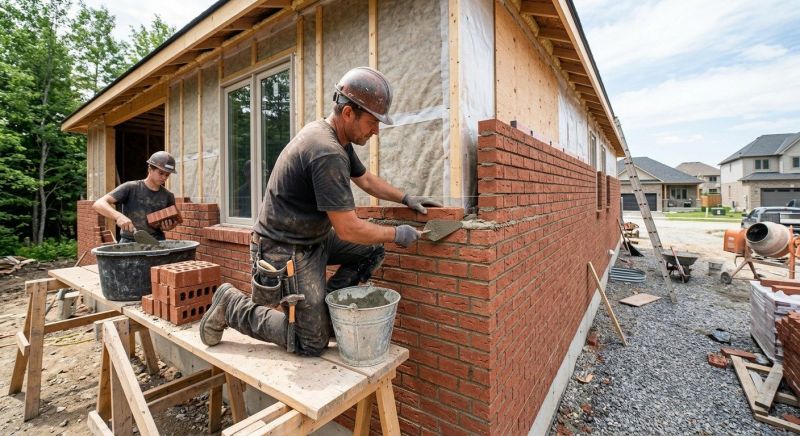
Masonry Service Project Planning
Determine the specific brickwork, artificial stone, or brick hardscape area and assess its current structural and surface condition.
Decide whether to prioritize repair or replacement of substrates, such as mortar joints or brickwork, and choose the appropriate material for the system.
Review proposed work based on specific deliverables like mortar joint work, brick or stone type, and extent of surface preparation to ensure estimate comparability.
Masonry Service Options
Compare the main project types and choose the option that best matches the work you need.
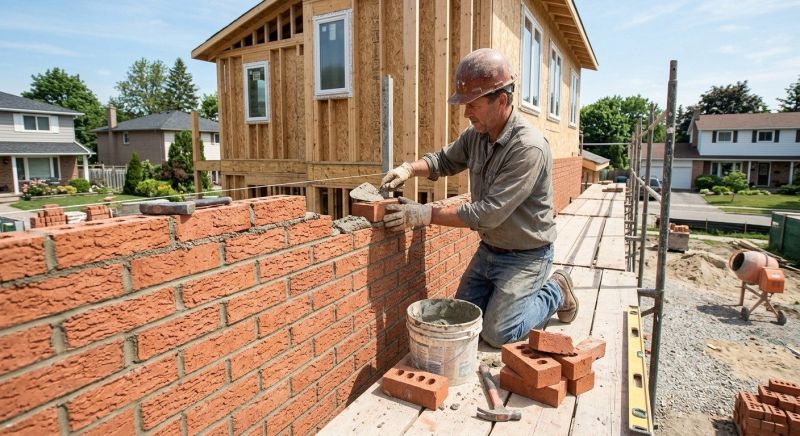
Brickwork Installation
Brickwork installation is appropriate when existing brick surfaces are deteriorated or when adding new brick features to improve structural integrity and visual appeal.
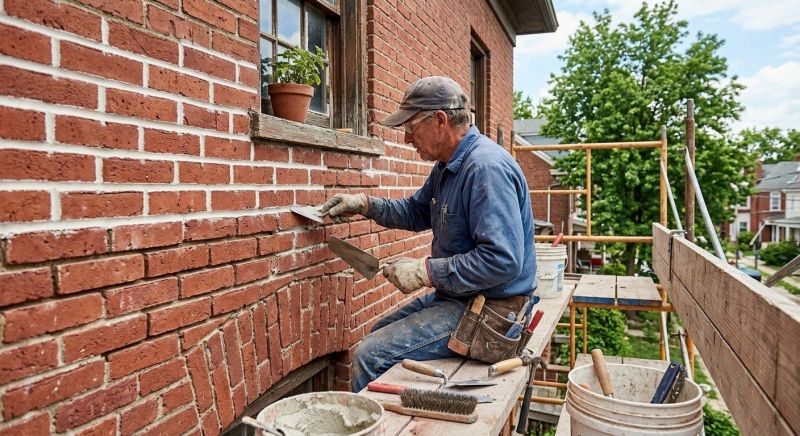
Tuckpointing Service
Tuckpointing is appropriate when deteriorated mortar joints compromise the stability or appearance of brick or stone surfaces, restoring structural integrity and preventing water infiltration.
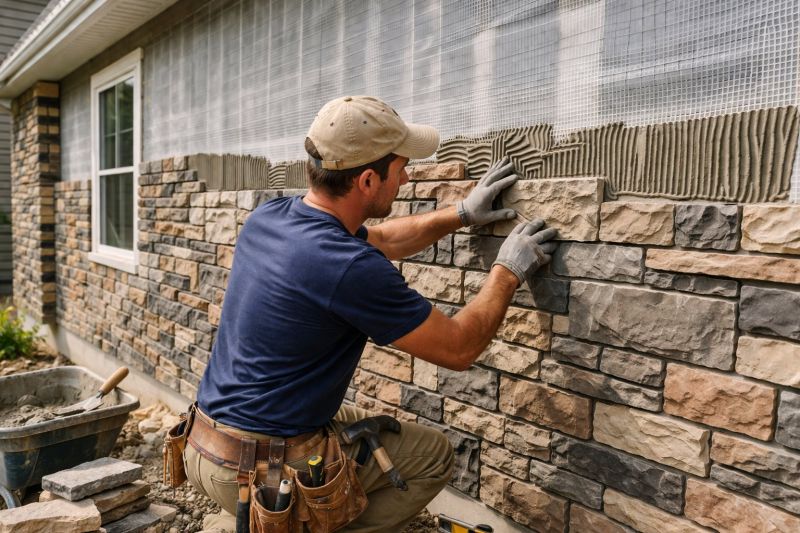
Artificial Stone Installation
Artificial stone installation is suitable when replacing or upgrading exterior surfaces like veneers or cladding to achieve a uniform appearance and improve surface stability.
What to Expect
Use these general planning benchmarks to frame the project before requesting an estimate.
Common Questions
Quick answers to practical questions about masonry service.
How can I determine if my brickwork needs repair or replacement?
Assess mortar deterioration, brick spalling, or cracking; extensive damage often indicates replacement is more suitable than repair.
What materials are best for restoring or upgrading masonry surfaces?
Mortar types like Portland or lime-based are chosen based on existing materials, with natural stone or brick veneer for aesthetic upgrades.
How does access or site preparation affect the masonry repair process?
Limited access may require specialized tools or staging, and proper surface cleaning ensures better adhesion and longer-lasting repairs.
What factors influence the lifespan of repaired or replaced masonry surfaces?
Material quality, proper installation, ongoing maintenance, and exposure to weather conditions determine durability and longevity.
What steps are involved in diagnosing issues with existing brick or stone surfaces?
Visual inspection for cracks, mortar decay, and surface deterioration guides diagnosis; sometimes, destructive testing is needed for deeper issues.
Share your project type, property details, and main goal to request an estimate.
Get A Local Estimate


